Slovak UNESCO natural and cultural Heritage
Objects included in the UNESCO list of the world cultural and natural heritage:
- Town of Banska Stiavnica and technical monuments in its surroundings:
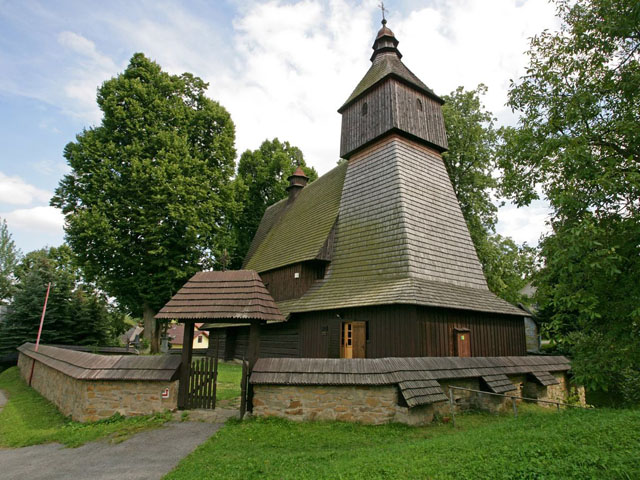
- Village of Vlkolinec, historical reservation of folk architecture
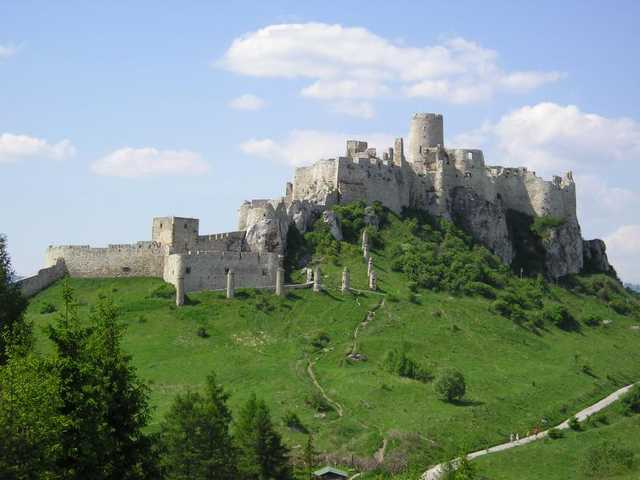
- Spissky Castle, the most extensive stronghold system in Central Europe, and monuments in its surroundings
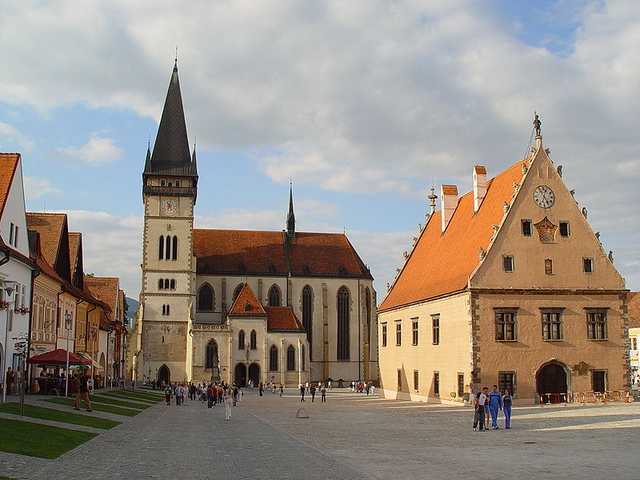
- Town of Bardejov
- Slovak Karst - the greatest karst region in Central Europe
- Dobsinska ladova jaskyna (Ice cave)
Itinerary:
Day 1: Arrival to Slovakia, accommodation, informal reception.
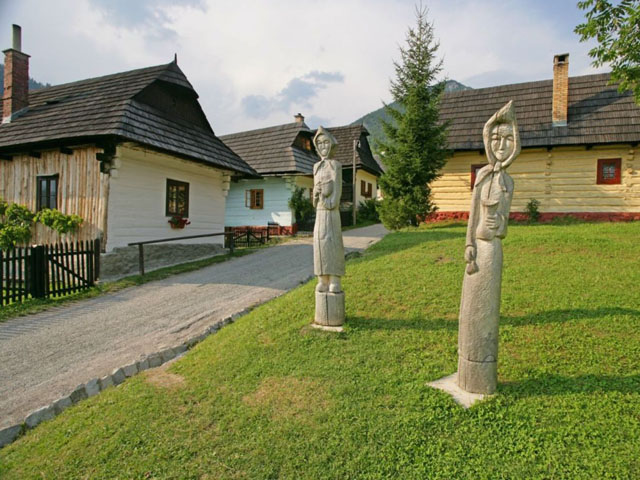
Day 2: Vlkolinec represents the type of Central Slovakian settlement
with wooden architecture that is widespread in mountain and foothill regions in the northern
part of Central Slovakia. There are more than 40 wooden houses from 15th to 19th century,
which from the outside look exactly alike.
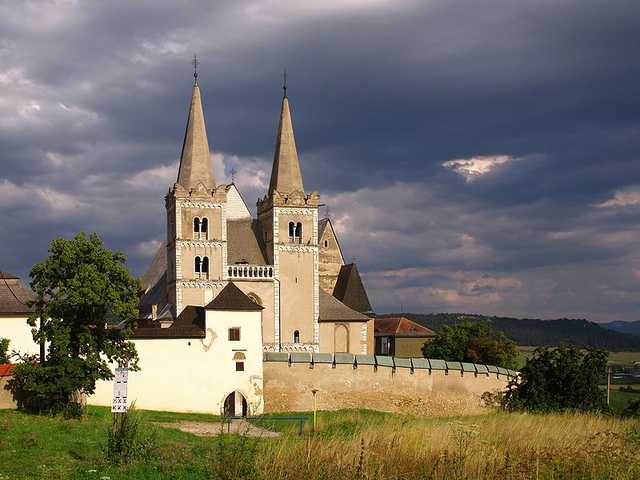
Day 4: The Spis Castle is the largest medieval castle in central
Europe. It dates back to 1113 when it was built as a royal castle on an important trade route
to the Baltic Sea. The second part of the historical settlement is Spisska Kapitula, founded
as an independent religious community. The last but not least is the village of Zehra where
the Gothic Church of Holy Spirit with a wonderful interior and Gothic paintings is situated.
Day 6: Dobsinska ladova jaskyna (Ice cave) was discovered as early
as 1870 and opened to the public in 1872. This cave was the first in Europe to be illuminated
by electricity. There are 145 000 cubic metres of ice there, 7000 - 9000 years ago. This cave
has been inscribed in the List of UNESCO World Natural Heritage since 2000.
Day 2: Vlkolinec represents the type of Central Slovakian settlement
with wooden architecture that is widespread in mountain and foothill regions in the northern
part of Central Slovakia. There are more than 40 wooden houses from 15th to 19th century,
which from the outside look exactly alike.
Day 3:
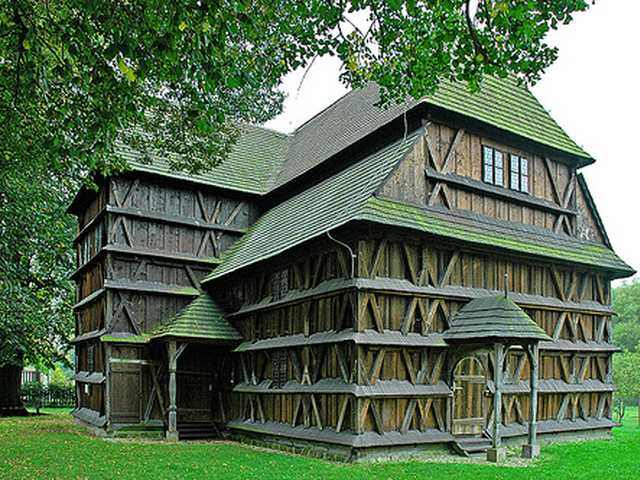
Bardejov is an attractive Gothic town from 14th century
with the well preserved castle complex and the Gothic and Renaissance houses. St. Egidius
Church from the 15th century and Town Hall from 1505-1511 are the national cultural monuments.
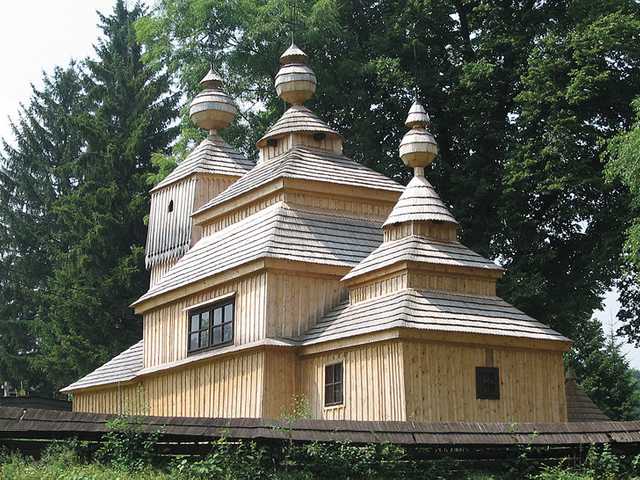
Bardejov Spa near the town itself in a beautiful green setting and the houses representing
architectural styles of 19th century. In the vicinity there is the Museum of Folk Architecture
and many wooden churches from the 17th - 19th centuries in the surrounding villages.
Bardejov is an attractive Gothic town from 14th century
with the well preserved castle complex and the Gothic and Renaissance houses. St. Egidius
Church from the 15th century and Town Hall from 1505-1511 are the national cultural monuments.
Bardejov Spa near the town itself in a beautiful green setting and the houses representing
architectural styles of 19th century. In the vicinity there is the Museum of Folk Architecture
and many wooden churches from the 17th - 19th centuries in the surrounding villages.
Day 4: The Spis Castle is the largest medieval castle in central
Europe. It dates back to 1113 when it was built as a royal castle on an important trade route
to the Baltic Sea. The second part of the historical settlement is Spisska Kapitula, founded
as an independent religious community. The last but not least is the village of Zehra where
the Gothic Church of Holy Spirit with a wonderful interior and Gothic paintings is situated.
Day 5:
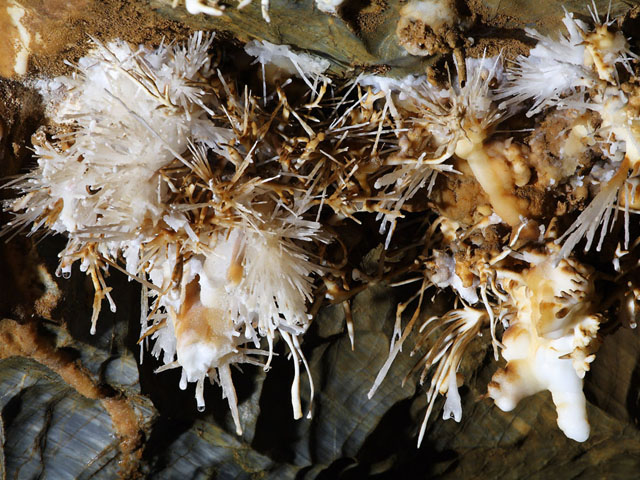
Slovensky kras (Slovak karst) was designated the protected
area in 1977. It was included in the network of biosphere reservation. Four caves of Slovensky
kras in the east of Slovakia (Domica, Gombasek, Silicka and Jasovska) and Ochtinska Aragonit
cave have been inscribed in the List of UNESCO World Natural Heritage since 1995. You will find
all three types of caves there: ice, stalactite and aragonite.
Slovensky kras (Slovak karst) was designated the protected
area in 1977. It was included in the network of biosphere reservation. Four caves of Slovensky
kras in the east of Slovakia (Domica, Gombasek, Silicka and Jasovska) and Ochtinska Aragonit
cave have been inscribed in the List of UNESCO World Natural Heritage since 1995. You will find
all three types of caves there: ice, stalactite and aragonite.
Day 6: Dobsinska ladova jaskyna (Ice cave) was discovered as early
as 1870 and opened to the public in 1872. This cave was the first in Europe to be illuminated
by electricity. There are 145 000 cubic metres of ice there, 7000 - 9000 years ago. This cave
has been inscribed in the List of UNESCO World Natural Heritage since 2000.
Day 7:
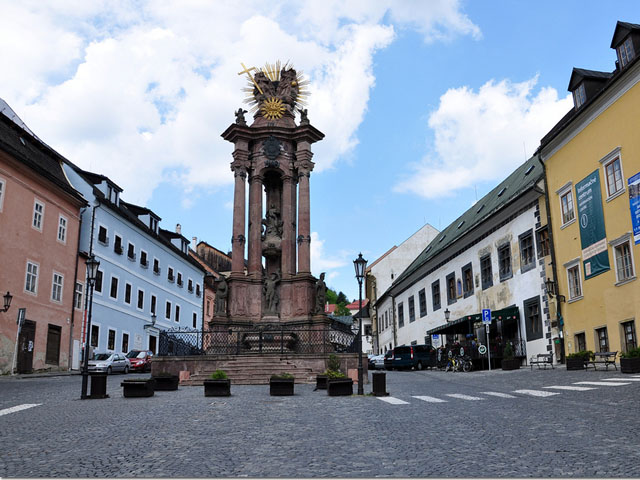
Banska Stiavnica is the old mining town, with numerous beautiful
monuments. From 13th to the 18th centuries is the town most important mining centre with the deposit
of precious metals. The extraction and processing of precious metals, especially gold and silver,
goes back to the Bronze Age. Banska Stiavnica is also known for its Mining Academy founded in 1762
as the first institution of higher education of its kind in the world.
Day 8: Farewell and departure from Slovakia.
Banska Stiavnica is the old mining town, with numerous beautiful
monuments. From 13th to the 18th centuries is the town most important mining centre with the deposit
of precious metals. The extraction and processing of precious metals, especially gold and silver,
goes back to the Bronze Age. Banska Stiavnica is also known for its Mining Academy founded in 1762
as the first institution of higher education of its kind in the world.


